
Microfining of high-fine powders
The durability of micro and nanopowders
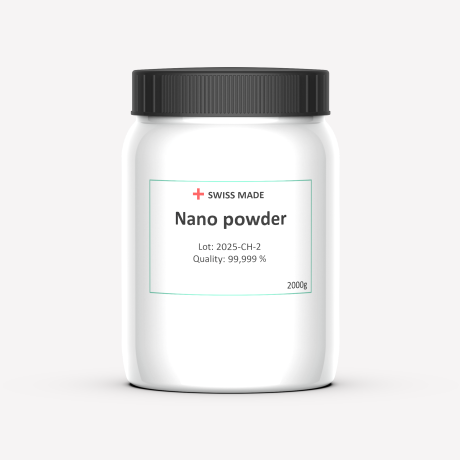
In our modern time, we are increasingly working with high-fine powders and nanopowders. With all the advantages that such ones bring, they also have a disadvantage. Their enormous surface is a multiple more exposed to oxidation than their material brothers in bar, bar or disc form. If powders are well packed in a high-quality PET bottle, sealed with membrane and lying under argon gas, they keep standing 10-15 years. Factors such as moisture, light, lying storage, low-quality vessels, missing or leaky membranes, etc. can reduce this durability. The end of the shelf life is recognizable by small corrosion, which makes the usually very fine particles thicker. If this is noticed, immediate action is necessary, as corrosion is spreading rapidly and unstoppable. Corroded powder no longer to be saved usually looks like graphite.
Micro finishing of high-fine powders
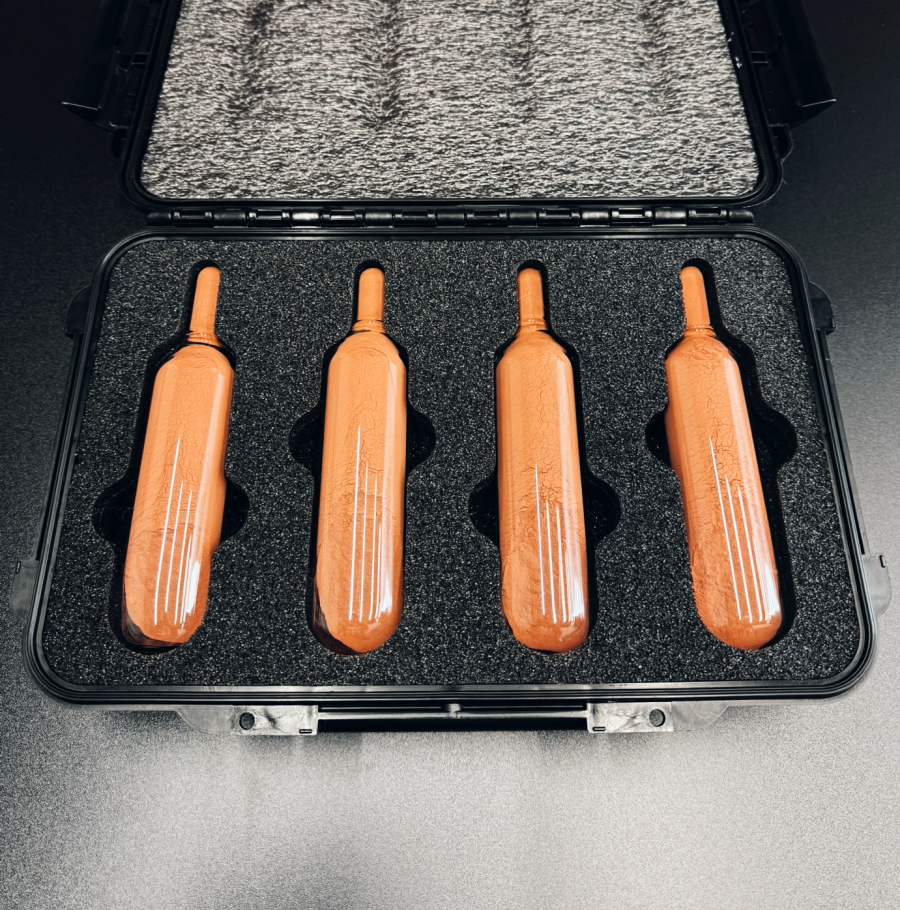
Powders are also available in glass ampoules that maintain a constant atmosphere for many years. This has advantages and disadvantages. Such packaging is unsuitable for industrial use because opening a glass ampoule can introduce glass fragments into the product. Industry therefore prefers PET bottles, which are also lighter and more practical for air transport. Some powders are held as financial assets because their value can exceed the price of gold. For long-term storage without regular maintenance, sealed glass ampoules remain a suitable option.
Micro finishing of high-fine powders
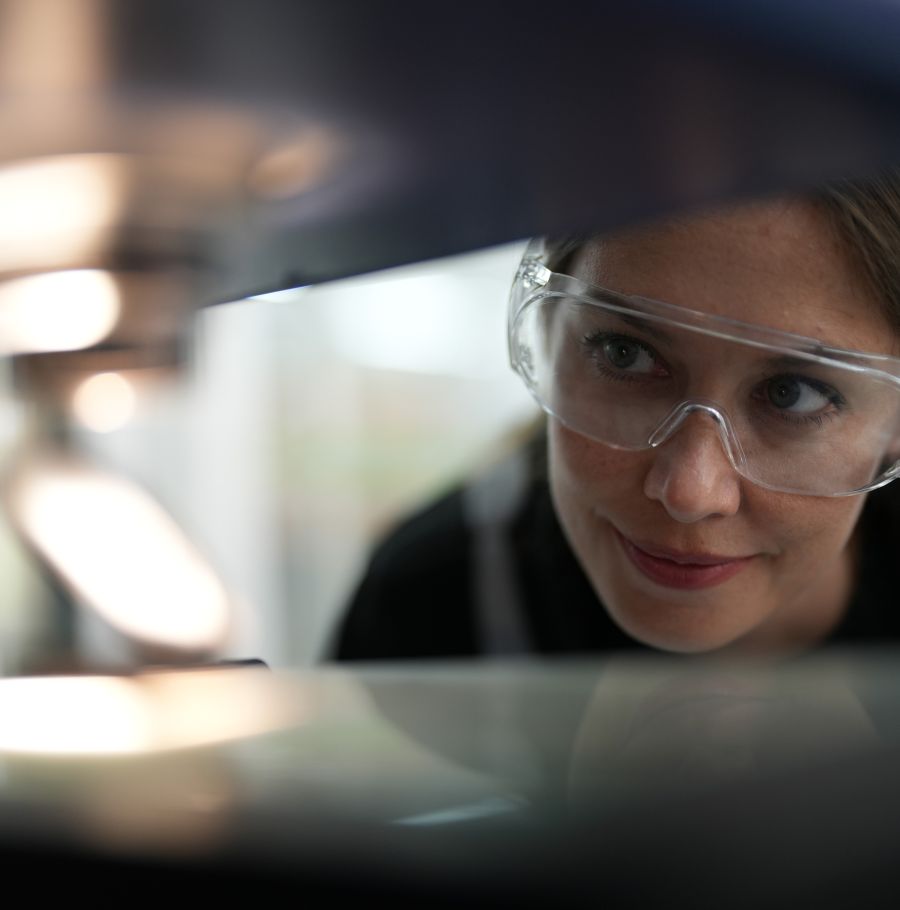
After a powder has been stored for ten years, an analytical test including particle-shape and size determination should be performed every two years. A scanning electron microscope quickly reveals whether oxidation has begun. If it has, further processing should not be delayed for too long.
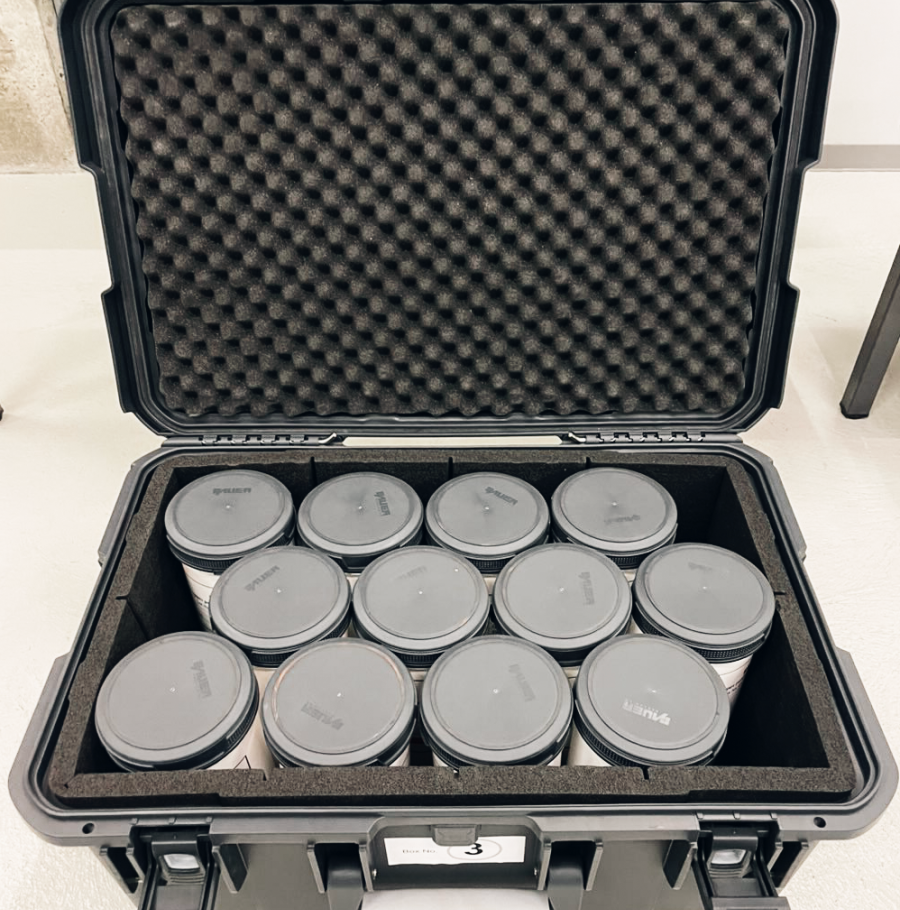
First, the powder is sieved to a defined particle size with an ultrasonic precision sieve, usually between 100 nanometres and 50 micrometres. The process is generally repeated several times. The particles are then fragmented ultrasonically to reduce their size and round their shape. In a third step, they are tumbled in an argon vacuum tumbler. The constant argon flow surrounds the particles with a protective layer and can extend their shelf life by another 10 to 15 years. The processed powder is filled into high-quality PET bottles. The remaining headspace is filled with argon, sealed by a membrane and protected with a safety closure. The bottles are secured in fitted inserts, the boxes are resealed and every processing step is documented for the client.
The final product
When processing, refining and packaging high-quality powders, we pay attention to every detail. We use branded bottles, closures, boxes and inserts, as well as equipment from established manufacturers. The result is a professionally and carefully processed product made in Switzerland.