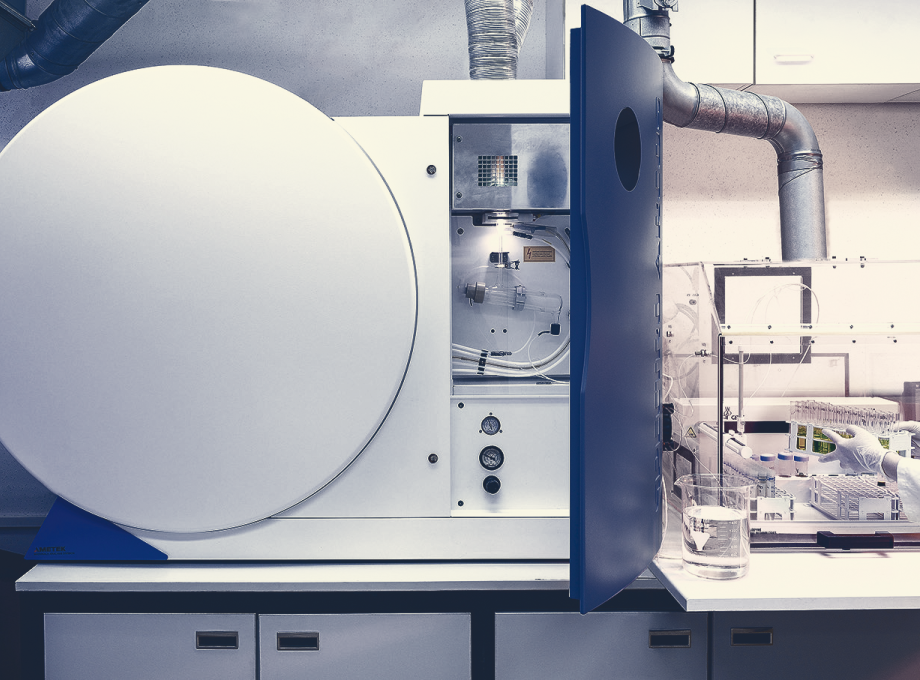
Analysis at the highest level
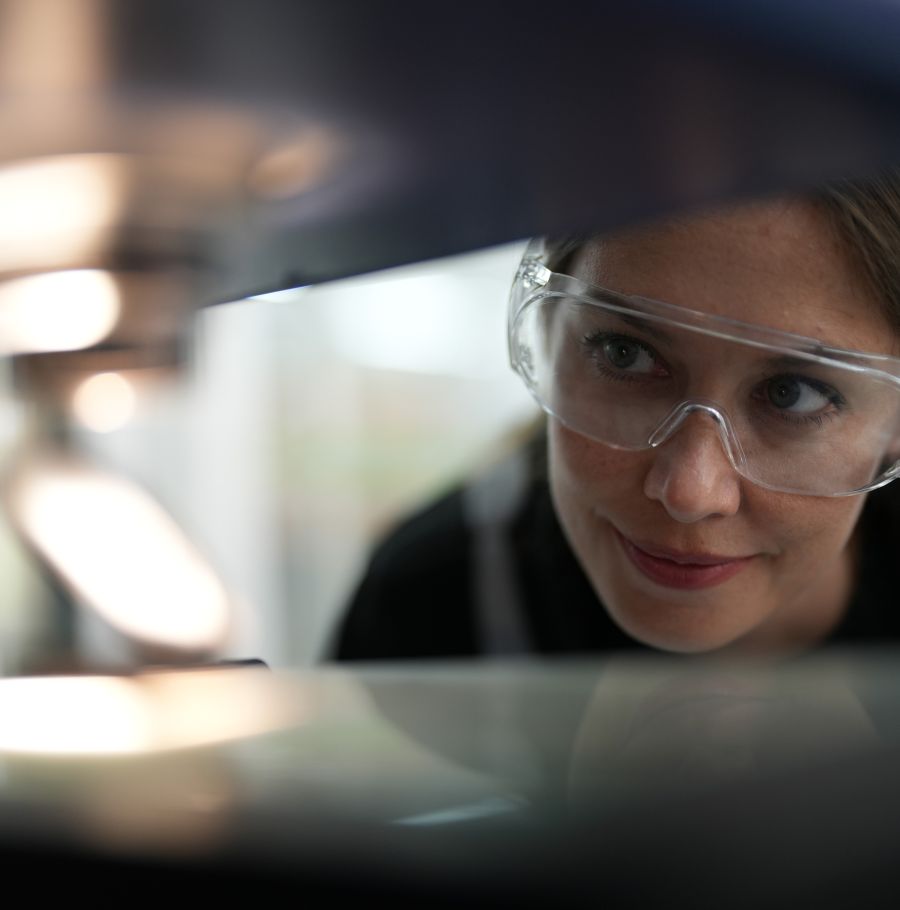
Metal Analysis to the highest standard is our claim. Our analyses are prepared in laboratories that are tested and reconfirmed at regular intervals, according to the ISO standard DIN EN ISO 9001. Our laboratory work is carried out under the ISO/IEC 17025, which is the international standard for the competence of test and calibration laboratories. Through cooperation with our analytics partner, we have access to the entire range of state-of-the-art devices and a variety of well-trained chemists. The Metal analysis lasts 5-7 working days. Even the most demanding Analysis are in good hands with us.
ISO 9001 ISO 17025
Certified
10+
Chemists
5-7 days
Analysis Duration

The
Sample collection
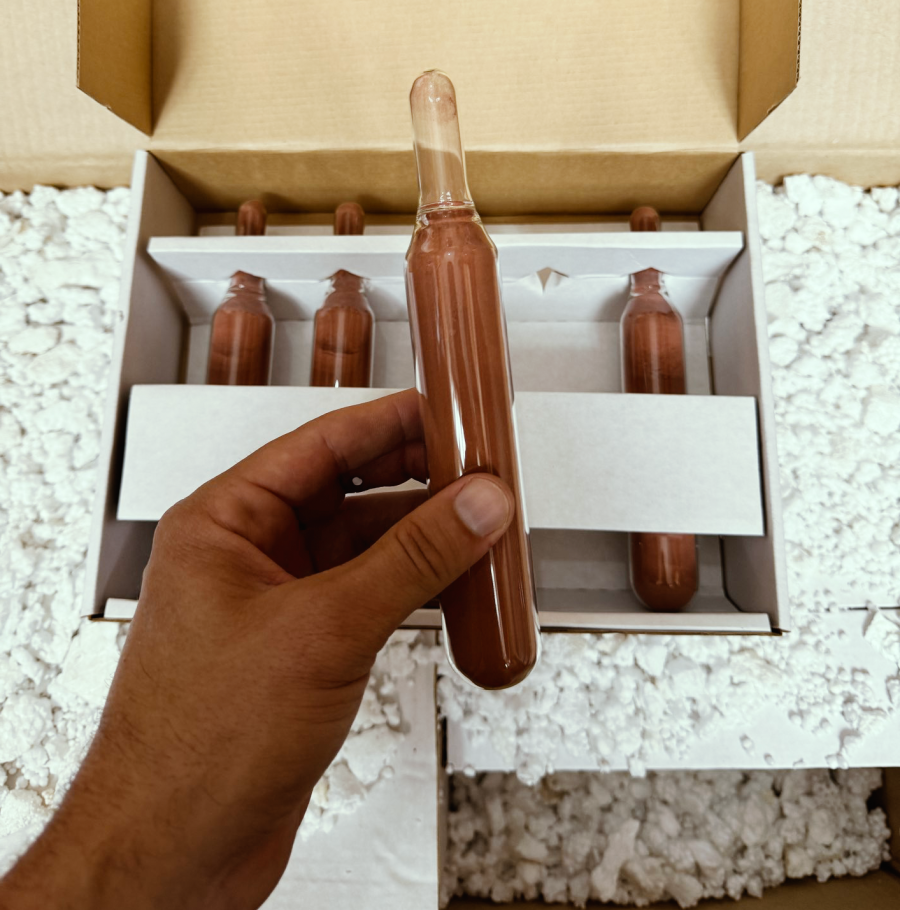
A Analysis begins with sampling. If they only want to know the result of a metal sample, it is enough to send a sample to us that is analyzed.
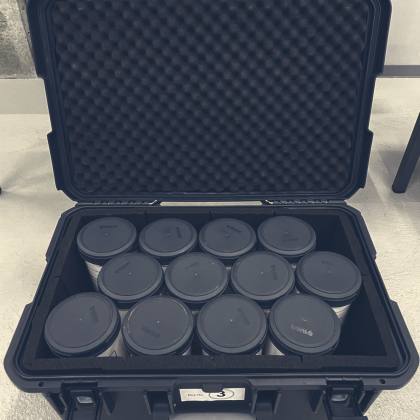
However, if they want to know the quality of their entire lot, it is essential that either the entire product comes to us or we come to the goods to the random principle The Commission will be able to assess the impact of the measures on the Union's energy policy. 4-6 container containers are opened by us randomly and samples are taken. For a qualified Analysis we need 5 grams of a merchandise. The entire process is documented with photos and protocoled after records. After the removal, all containers are properly sealed with ISE safety seals and also protocoled.
Example of sampling:
You will receive if this is desired, with which Analysis a sample withdrawal protocol. This includes accurate procedure for taking photos in written form. This process is important to prove to a interested party that the entire product is a consistent quality.
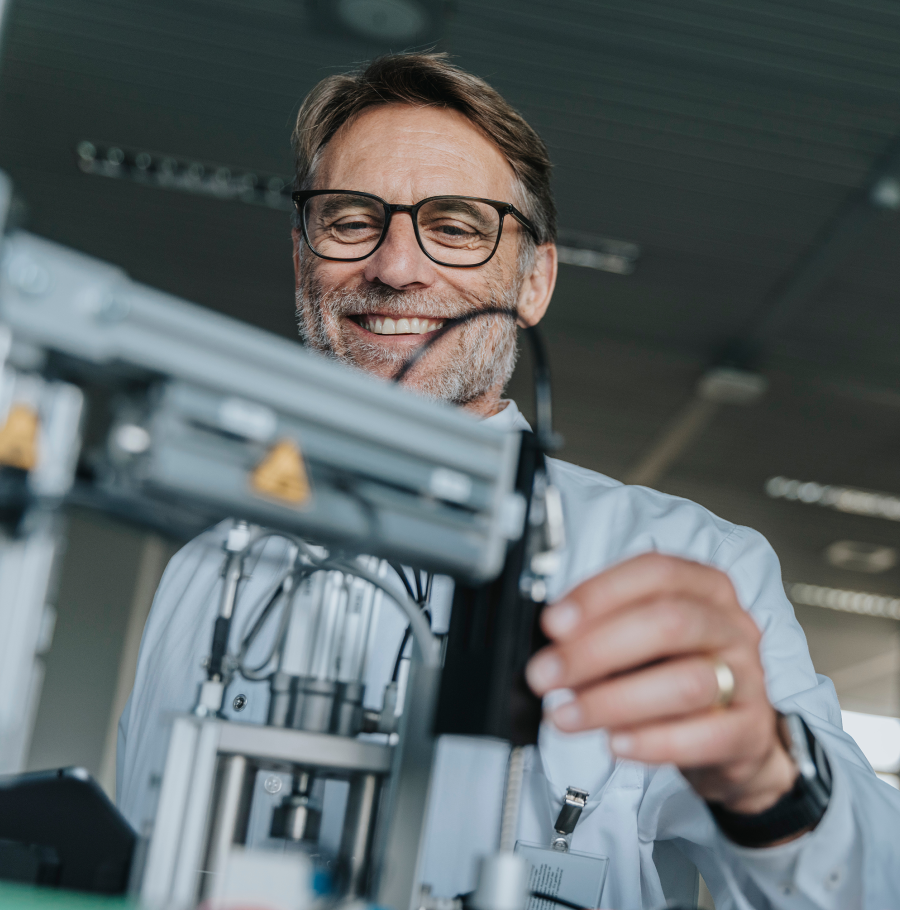
Analytical excellence for rare earths and high-purity metals
The precise analysis of rare earths (REE – Rare Earth Elements), high-purity metals and complex material systems requires the highest technical competence, the most modern laboratory technology and a deep understanding of metallurgical and chemical processes. The Institute for Rare Earths and Metalle AG (ISE) has focused on these challenging analytical tasks together with its specialised partner laboratories. and is now one of the leading contact points for high-quality metal and material analysis.
The focus of the activity is the investigation of high-purity metals, mixed metals, alloys and mineral and geological samples such as soil and ore materials. Reliable analysis data are becoming increasingly important, particularly in the field of rare earths, as these strategic raw materials are essential for modern high-tech applications, Electromobility, energy technology, aerospace and defence and semiconductor industries are. Even the slightest impurities or deviations in the element composition can significantly influence the properties and the economic value of a material.
To meet these high requirements, the ISE is relying on a combination of the most modern analytical methods. GD/MS (Glow Discharge Mass Spectrometry), ICP-OES (Inductively Coupled Plasma Optical Emission Spectrometry) are among the following: ICP-MS (Inductively Coupled Plasma Mass Spectrometry) and RFA (Röntgenfluoresce Analysis) are used. These methods enable the highly precise qualitative and quantitative determination of main, secondary and trace elements – even in the ppm or ppb range.
GD/MS technology plays a central role in the investigation of high-purity metals. It allows direct solid analysis without expensive sample resolution and provides excellent detection limits for metallic materials. Especially in the case of high-purity metals and rare earths, this method is indispensable to reliably identify minimal contamination and to reliably identify the material quality. ,.
In addition to the chemical composition, the characterization of particles, surfaces and material structures is becoming increasingly important. For this purpose, the ISE uses a state-of-the-art scanning electron microscope (REM), the detailed investigations of particle sizes, morphology, surface characteristics and Material structures are possible. The combination of REM technology and modern element analysis provides a comprehensive basis for research, quality control, damage analysis and industrial Development projects.
The high quality of the analyses is ensured by cooperation with ISO 17025 accredited laboratories. This international standard stands for the highest level of competence in testing and calibration laboratories and guarantees reproducible, comprehensible and internationally recognized results. In addition, the laboratories involved regularly participate in ring tests of renowned institutes, which continuously improves the accuracy and comparability of the analysis data. is checked and confirmed.
Another important part of the ISE's technical strength is the scientific expertise of the chemists and material scientists involved. The specialists are members of leading specialist associations such as GDCh (Society of German Chemists) and GDMB (Society of Metallurgy and Miners). This close integration into scientific networks and specialist bodies will keep the institute up to date on the latest analytical developments, regulatory Requirements and technological innovations.
With its clear specialization on rare earths, highly pure metals and sophisticated material analysis, the Institute for Rare Earths and Metalles AG combines state-of-the-art Analysis technology with scientific competence and long-term experience. Companies, research institutions and industrial partners benefit from precise, reliable and internationally recognized analytical results at the highest level.
The following devices are used here:
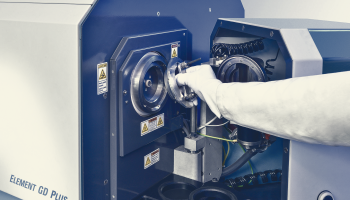
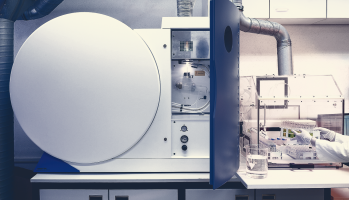
DG-MS
Glow Discharge Mass Spectrometry (solid-state MS)This method is performed directly on the solid material without chemical digestion:
- Analysis of pure metals
- Analysis of metal alloys
- Analysis of non-conductive materials
- Analysis of powders
- Analysis of wires
- Analysis of (fast) all metal forms
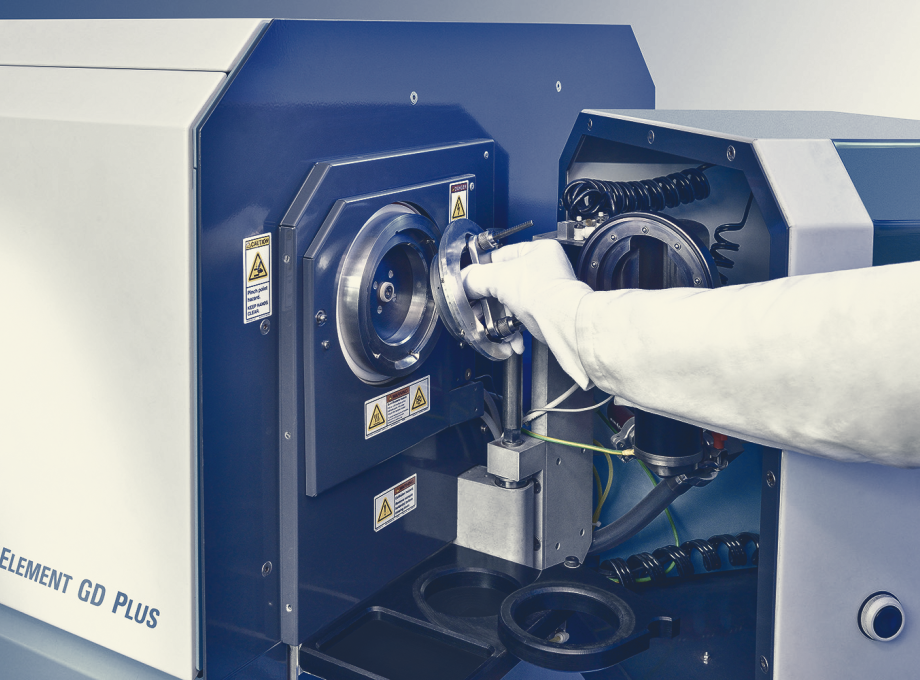
An element GD Plus Glow Discharge Mass Spectrometer (GD-MS) from Thermo Scientific is used
ICP-MS
Inductively coupled plasma mass spectrometryThis process is used in:
- Trace analysis
- quantitative measurement of up to 60 elements simultaneously
- Semiquantitative measurement
- Total spectrum
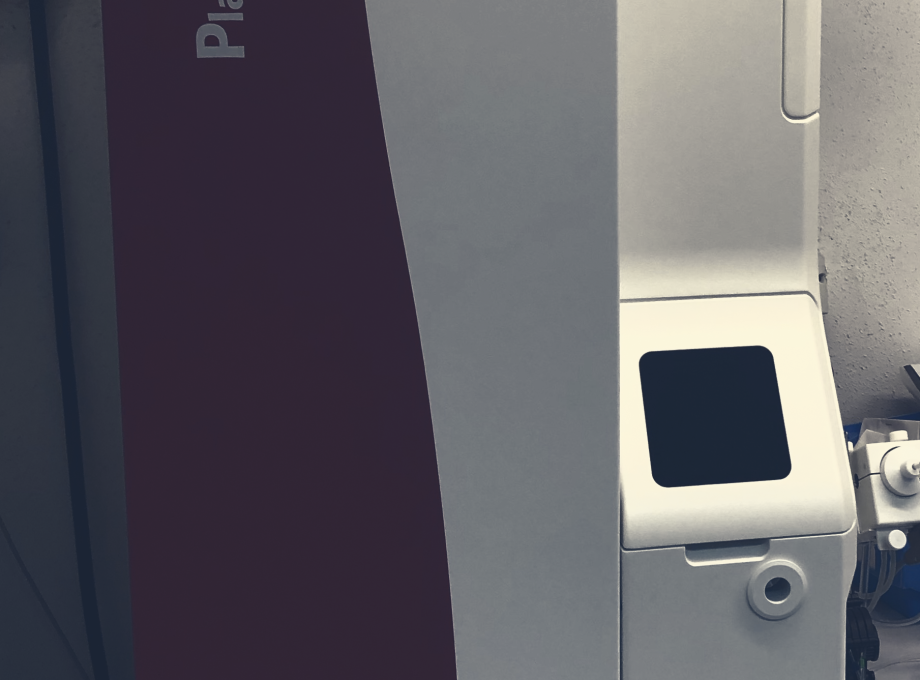
An ICP-MS, PlasmaQuant MS from Analytik Jena is used
ICP-OES
Inductively coupled plasma optical emission spectrometryThis process is used in:
- Analysis of metals
- Analysis of ceramics
- Analysis of organic samples
- Analysis of water
- Analysis of solutions
- Analysis of minerals
A Spectro Arcos from Spectro / Ametek is used